


.jpg)




.jpg)








I gifted a Sozni Pashmina to my mother for her 60th birthday. She hasn't stopped wearing it since — it's become her most treasured possession.
Priya M.
Individual Buyer, Mumbai
GI-Certified Kashmiri Pashmina
Authentic handwoven luxury for discerning individuals and businesses. Each piece carries centuries of heritage, woven by master artisans in the Kashmir Valley.
Our Heritage
In the Kashmir Valley, where the Jhelum bends through Srinagar’s old city, a tradition older than the Mughal Empire still lives in the hands of master weavers. For over six hundred years, the Wovur has sat at the wooden Saaz, hands and feet moving like a pianist’s — tossing the shuttle, pressing the treadles, beating the weft into place.
The craft was brought to Kashmir by Sultan Zayn ul Abidin in the 15th century. The Mughal emperors wore Pashmina daily, gifting it as diplomatic currency. European traders carried Kashmiri shawls west, where the Paisley pattern — actually a Kashmiri keri motif — became the most sought-after textile design in history.
20 Hand Processes
from raw fleece to finished shawl — unchanged since the 15th century

15th C.
Origin of Craft
12km
Walking per Warp
1,200
Threads per Warp
Watch the Craft
Why Us
In a market where 90% of “Pashmina” is counterfeit, we are your direct bridge to the real thing.
No middlemen, no factories. Fair wages directly to the hands that weave your shawl.
Legally verified origin — Government of India Geographical Indication No. 46.
An unbroken lineage of craft, passed through generations since the 15th century.
The same exacting luxury standard — whether you order a single shawl or outfit an entire event.
600+
Years of Tradition
20+
Hand Processes
12–16
Micron Fibre Fineness
4,500m
Altitude of Origin
6–18
Months per Shawl
GI Certified
GEOGRAPHICAL INDICATION
No. 46
Authenticity Guaranteed
In a market flooded with imitations, the Geographical Indication tag is your guarantee that you’re holding a piece of living heritage — not a factory-made replica.
Legally Protected Origin
Registered under the GI Act of India (GI No. 46), certifying authentic Kashmiri origin.
100% Pure Pashm Fibre
Sourced exclusively from the Changthangi goat of Ladakh — fibres as fine as 12–16 microns.
Hand-Spun & Hand-Woven
Every thread is spun by hand on a yinder and woven on traditional wooden Saaz by master artisans.
Lab-Verified & Traceable
Each product is tested at PTQCC and certified, traceable back to the artisan who crafted it.
90%
of Pashmina sold globally is counterfeit
12–16μ
fibre diameter — finer than cashmere
200+
hours to hand-weave a single shawl
1
GI tag per region — ours is No. 46
In a world where 90% of what is sold as Pashmina is fake, the GI mark is the only truth.
THE KASHMIR WEAVER
The Craft
“Twenty ancient processes transform Himalayan fleece into the world’s most treasured cashmere fabric.”
12–16μm
Fibre Fineness
4,500m
Altitude of Origin
20+
Hand Processes
3–18mo
Per Shawl


At 4,500 metres on the Changthang plateau of Ladakh, nomadic herders tend the Changthangi goat. Each spring, the goat sheds its ultra-fine undercoat — the raw Pashm that becomes Pashmina.
Pashm
The undercoat is hand-combed — never sheared — and dehaired to separate 12–16 micron fibres from coarser guard hairs. Each goat yields only 80–170 grams per year.
Ranger
The master dyer (Ranger) transforms raw pashm into over 50 vibrant, azo-free colours. Each shade is mixed by hand — no two dyers produce the exact same hue.
Yarun
Over 1,200 warp threads are laid across the frame — a process requiring up to 12 kilometres of walking back and forth. The warp is the skeleton of every shawl.
Bharangur · Saaz
The Bharangur threads each warp yarn through the heddles and reed of the wooden Saaz. A single error can cascade through the entire weave.
Prech
Weft yarn is wound onto small wooden Prech spindles. For Kani weaving, dozens of tiny bobbins are prepared — one for each colour in the pattern.
Wovur · Wonun
The Wovur sits at the Saaz, hands throwing the shuttle, feet pressing the treadles — like a pianist. A plain stole takes 3–4 days. A Kani shawl takes 12–18 months.
Chapangur
The woven shawl is washed in spring water, struck against smooth river stones for softness. The Chapangur stretches and dries it on a wooden frame.
Voste
The Voste examines every inch for flaws. Fringes are hand-knotted. If destined for embroidery, the Naqash draws the design and the Rafugar begins months of needlework.
The weaver works like a pianist — simultaneously controlling foot pedals and hand shuttles, reading the pattern from memory.
Watch the Full Process
From raw Changthangi fleece to finished Pashmina — every hand process captured in a single film.
The Land That Weaves
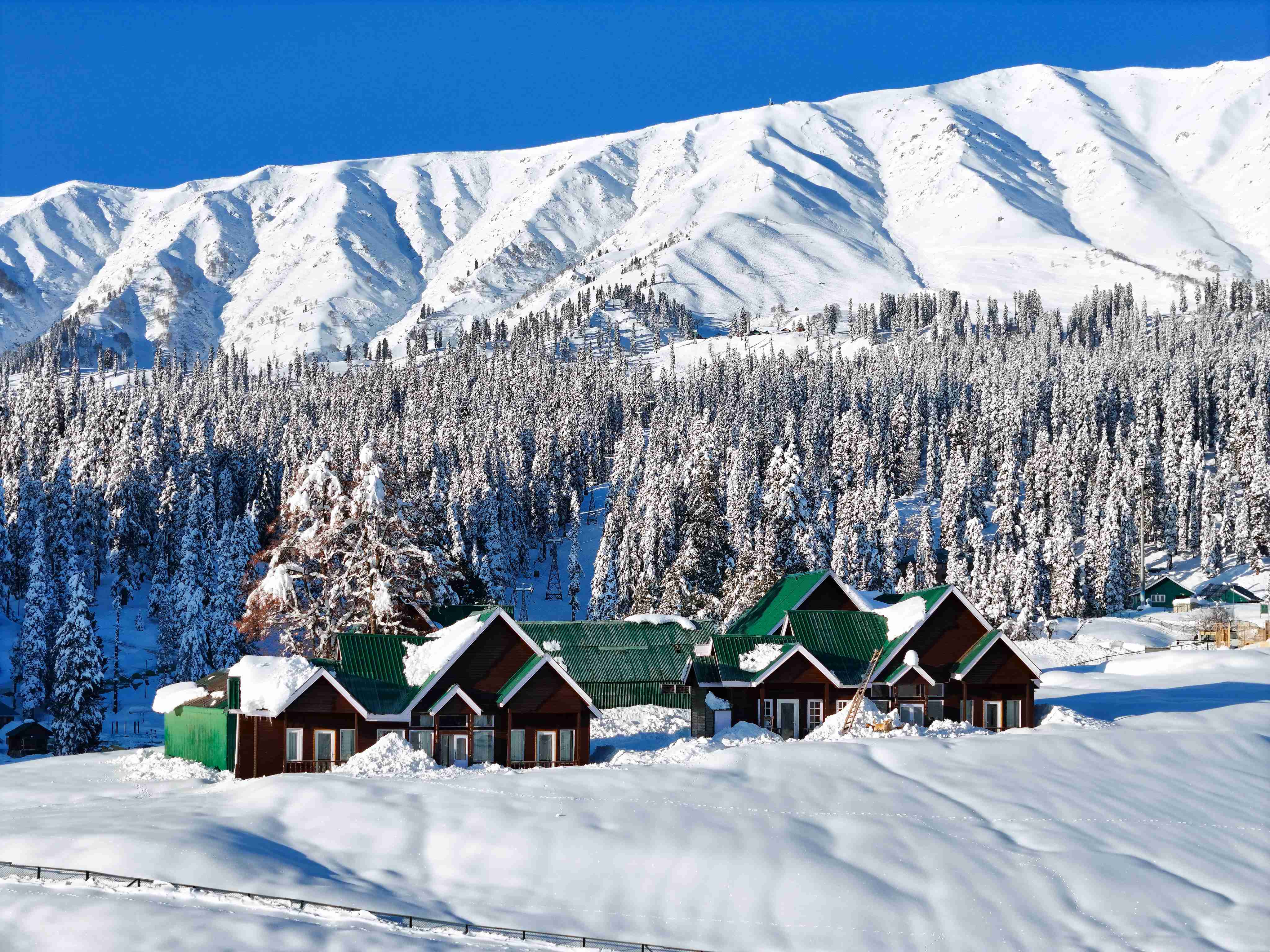
From the snow peaks of Gulmarg to the looms of Srinagar — every thread carries the spirit of the valley.
The Collection
Our artisans craft hundreds of unique pieces each season — from pure solids to intricate Kani weaves and Sozni embroidery. Browse the latest via Instagram or request a personalized lookbook on WhatsApp.
@thekashmirweaver
Who We Serve
For You
Custom branding, personalized messaging, and executive heritage box packaging for teams of any size.
Curated collections, dropship-friendly logistics, and flexible MOQs starting from 10 pieces.
Bespoke one-of-a-kind pieces with white-glove service and certificate of authenticity.
Bespoke & Custom
Custom embroidery designs, colour and fibre selection, size and weight specification, private labelling, wedding and event orders — we bring your vision to life in genuine Kashmiri Pashmina.
Trusted By
I gifted a Sozni Pashmina to my mother for her 60th birthday. She hasn't stopped wearing it since — it's become her most treasured possession.
Priya M.
Individual Buyer, Mumbai
We ordered 200 shawls in our brand colours for our leadership retreat. The quality was impeccable, and the heritage boxes made each gift feel truly personal.
Rahul S.
Head of HR, Tech Company
The Kani weave I purchased is a work of art. Eighteen months of an artisan's life in one shawl — that's luxury you can feel.
Sarah L.
Private Client, London
We stock The Kashmir Weaver's collection in our boutique. Our clients trust the GI certification and keep coming back.
Amara K.
Boutique Owner, Dubai
The Pure Kashmir Journal
The history, craft, and culture of Kashmiri Pashmina — written for those who want to understand what they are buying, and why it matters.

There is a reason Pashmina has been gifted between royals, diplomats, and loved ones for six centuries. Here is how to choose the right one.
 Heritage
Before there is a loom, before there is a thread, there is a goat standing in a snowfield at the edge of the world. This is where our story starts.
 Style Guide
A single shawl, eight distinct looks. From boardroom to beach evening, here is how to get the most from one piece of handwoven Pashmina.
 The Craft
We spent a day in a Kani weaving workshop in Srinagar. Here is what we learned about patience, precision, and the coded manuscripts that guide every thread.
 Care Guide
Pashmina gets better with age — if you treat it right. Here are the simple rules that will keep your shawl beautiful for thirty years and beyond.
 Authenticity
The Pashmina market has a counterfeiting problem. Here is our honest assessment of every common test — and what actually proves a shawl is real.
Buyer's GuideThese three words get used interchangeably in shops and online stores. They should not be. Here is what each one actually means.
FAQ
Both come from goats, and the word "cashmere" derives from "Kashmir." True Pashmina uses fibre from the Changthangi goat of Ladakh, measuring 12–16 microns — significantly finer than commercial cashmere (18–22 microns). Pashmina is hand-spun and hand-woven; most cashmere is machine-processed. The result: Pashmina is warmer, softer, lighter, and lasts decades longer.
The only reliable proof is the GI mark — Geographical Indication No. 46, issued by the Government of India after lab testing at PTQCC in Srinagar. The popular "ring test" is a myth — many synthetics pass it. A burn test can confirm natural fibre, but only GI certification confirms it is specifically Changthangi Pashm. Every Kashmir Weaver piece carries this mark.
Over 20 hand processes: the fibre is hand-combed from Changthangi goats in Ladakh, dehaired, hand-spun, hand-dyed, and hand-woven on a wooden Saaz loom. After weaving, the shawl is washed in spring water and struck against river stones for softness. If embroidered, months or years of additional needlework follow. Zero machines at any stage.
Rarity and craft time. Each goat yields only 80–170g of raw fibre per year. A single shawl requires months of hand-processing. Kani weaving takes 12–18 months. Sozni embroidery takes 7–10 years to learn. Fewer than 900 active Kani weavers remain worldwide. You are paying for irreplaceable human skill and centuries of tradition.
Stole: 70×200cm · Shawl: 100×200cm · Large Square: 137×137cm · Oversized Wrap: 100×250–300cm. Custom sizes are available for bespoke orders.
Yes. We ship worldwide — USA, UK, Canada, Europe, UAE, Australia, and more. All shipments are tracked and insured.
Dry clean for best results. If hand washing: use lukewarm water with mild detergent, never wring or twist. Lay flat to dry away from direct sunlight. Store folded in breathable fabric with cedar or lavender. Pashmina actually improves with age — it gets softer over decades.
Absolutely. Custom embroidery designs, colour selection, sizing, private labelling, and wedding/event orders are all available. Lead times: plain 4–6 weeks, embroidered 8–16 weeks, Kani up to 6 months.
A handcrafted walnut-wood case lined with silk, containing the shawl, GI certificate of authenticity, artisan story card, and (for corporate orders) custom branding and personalised messaging. It transforms a gift into an experience.
Three ways: browse our latest collection on Instagram (@thekashmirweaver), message us on WhatsApp (+91 979 610 5623), or fill out the inquiry form below. We'll guide you personally through selection, sizing, and customisation.
Get in Touch
Whether you’re looking for a single heirloom piece or outfitting an entire corporate event — we’re here to help.